The TSP Method™
A Clinical Framework for Persistent Sucking Behaviours
A research-informed clinical framework for understanding and managing persistent thumb sucking, finger sucking, and pacifier habits in children.
Practitioner certification opening soon.
Join the early interest list to receive program details and priority access.
Get Early Access to TrainingResearch-Informed Clinical Framework
The TSP Method™ is informed by clinical research investigating non-orthodontic intervention for persistent digit sucking and its effects on anterior open bite.
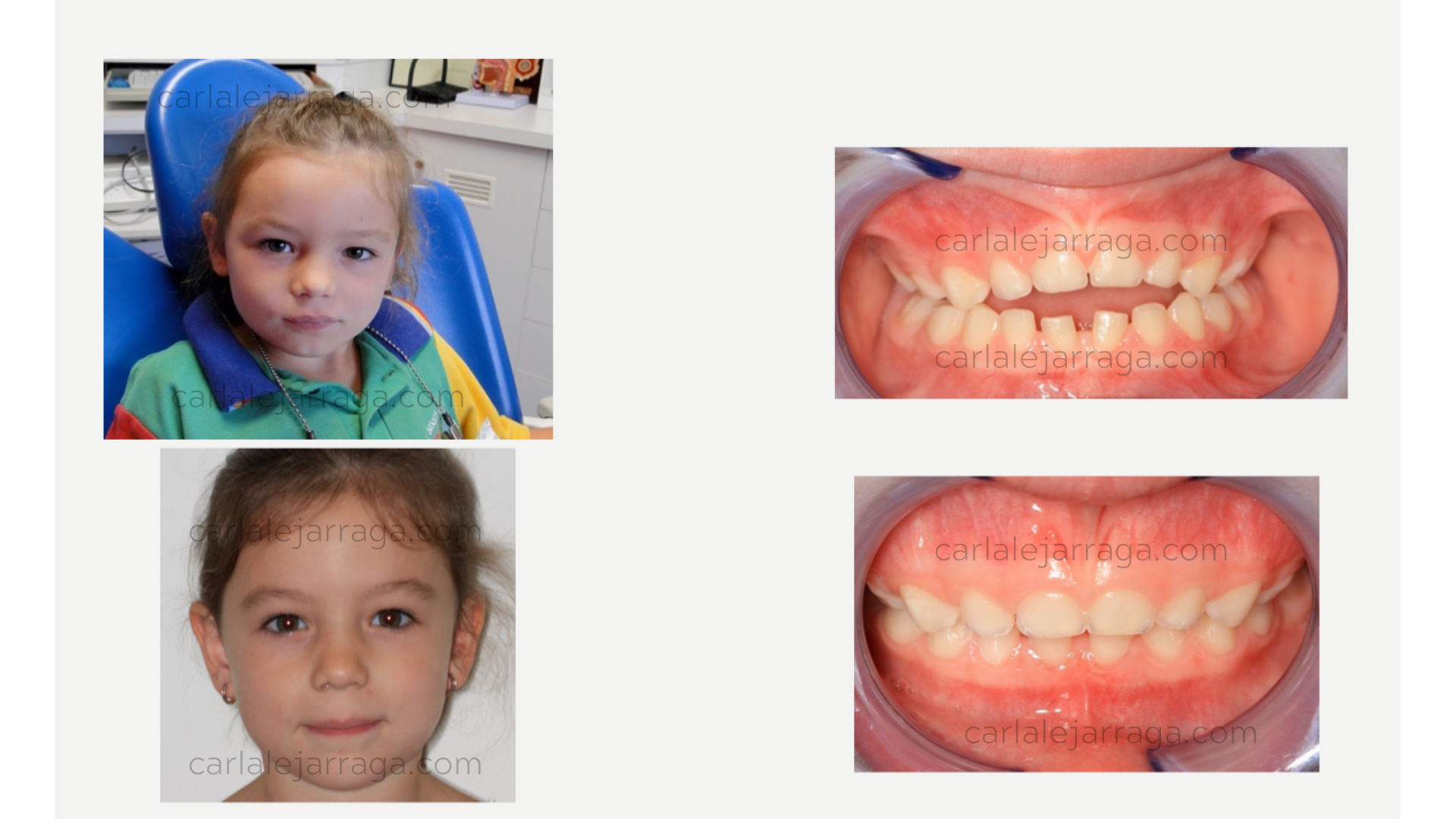
Developed through clinical practice and research in collaboration with paediatric dentistry, a preliminary study found:
• ~90% cessation of digit sucking within four months
• reduction in anterior open bite
• improvement in overjet
Lejarraga C., Huang B., et al.
What will you learn?
Participants will learn how to:
• understand the drivers of persistent sucking behaviours
• assess oral posture and functional influences
• recognise behavioural reinforcement patterns
• apply a structured clinical framework to treatment planning
• support families through habit cessation
This practitioner training is designed for clinicians who work with children and oral development, including:
• dentists
• pediatric dentists
• dental hygienists
• oral health therapists
• myofunctional therapists
• speech pathologists
Graduates receive recognition as a TSP Method™ Certified Practitioner (TSP-CP).
Why This Framework Matters for Clinical Practice
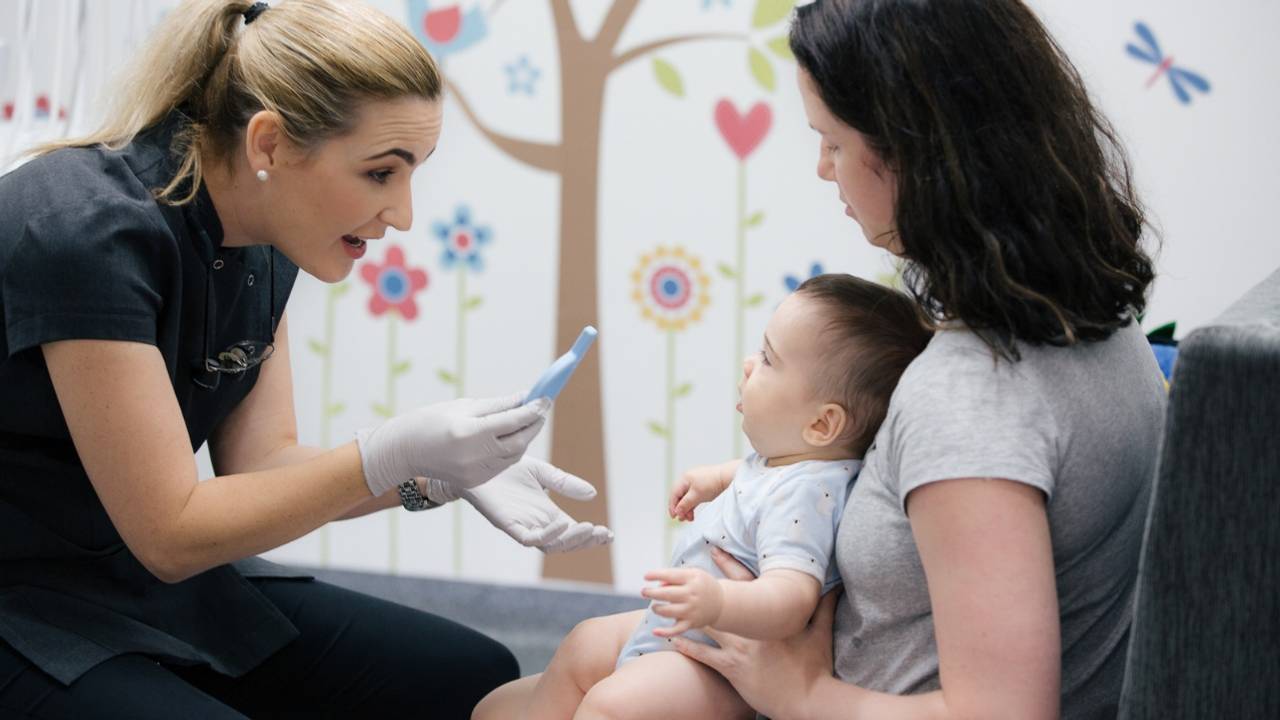
Persistent thumb sucking, finger sucking, and pacifier habits are typically described as oral habits; however, when these behaviours persist beyond early childhood and are associated with functional, behavioural, and developmental influences, they may be more appropriately understood as Non-Nutritive Sucking Disorders.
Many clinicians report that managing these behaviours can be challenging, particularly when they persist beyond early childhood or when multiple factors appear to influence the habit.
The TSP Method™ offers a structured framework that integrates:
• oral functional development
• behavioural regulation patterns
• developmental and environmental influences
This perspective aims to support clinicians in understanding why persistent sucking behaviours occur and how they can be managed more effectively in practice.
This framework has been developed through years of clinical practice working with children experiencing persistent sucking behaviours.
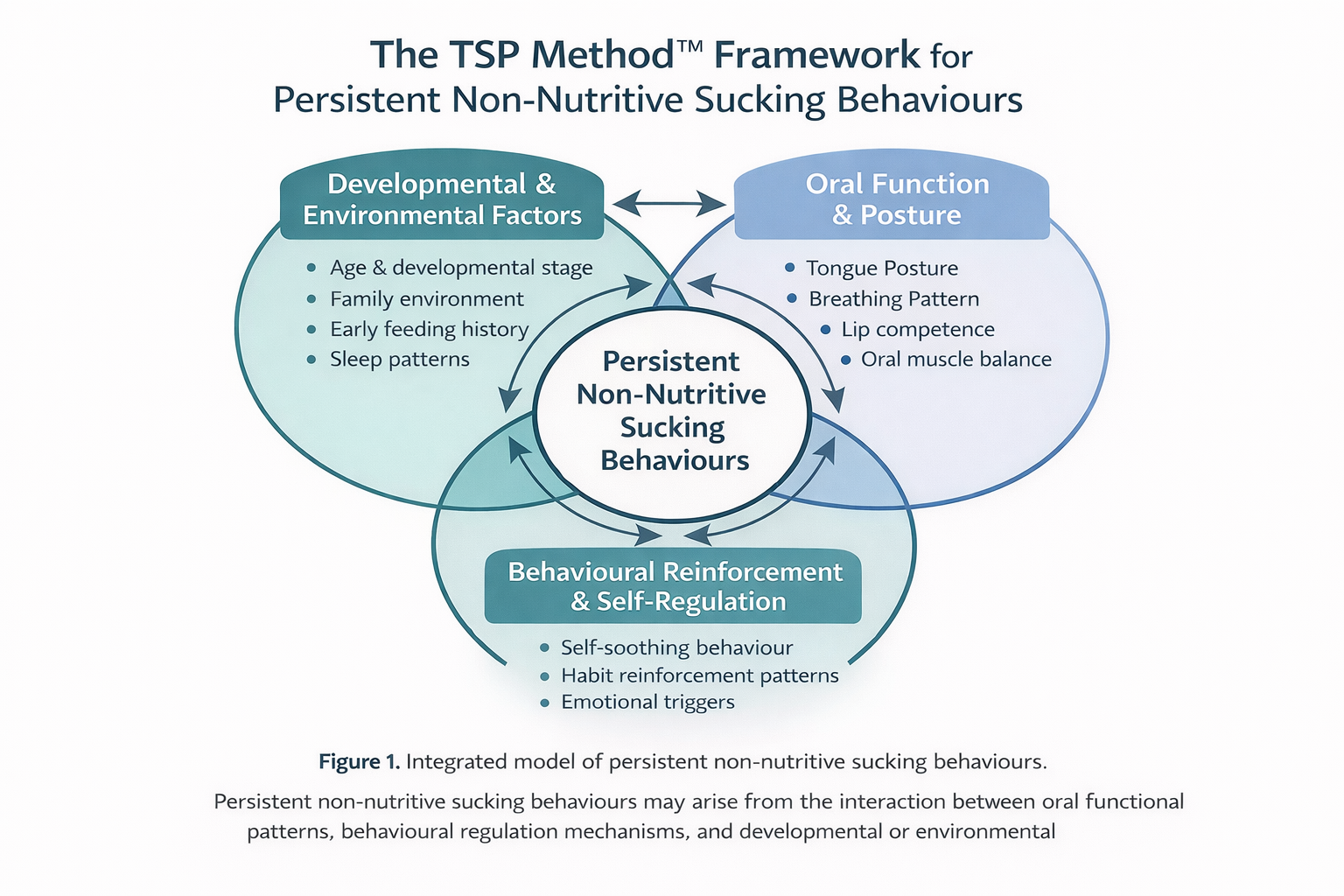
The TSP Method™ provides clinicians with a structured framework for assessing and managing persistent non-nutritive sucking behaviours in children.
Why This Training Exists
Persistent thumb sucking and pacifier habits are among the most common oral behaviours seen in children.
Yet many clinicians feel limited in how they can help.
Traditional management approaches often focus on:
• behavioural reminders
• reward charts
• orthodontic habit appliances
• waiting for the child to stop naturally
While these strategies may work for some children, many clinicians observe that persistent sucking behaviours are often more complex than simple habits.
The TSP Method™ introduces a clinical framework that considers the interaction between oral function, behavioural regulation, and development.
The TSP Method™ Clinical Framework
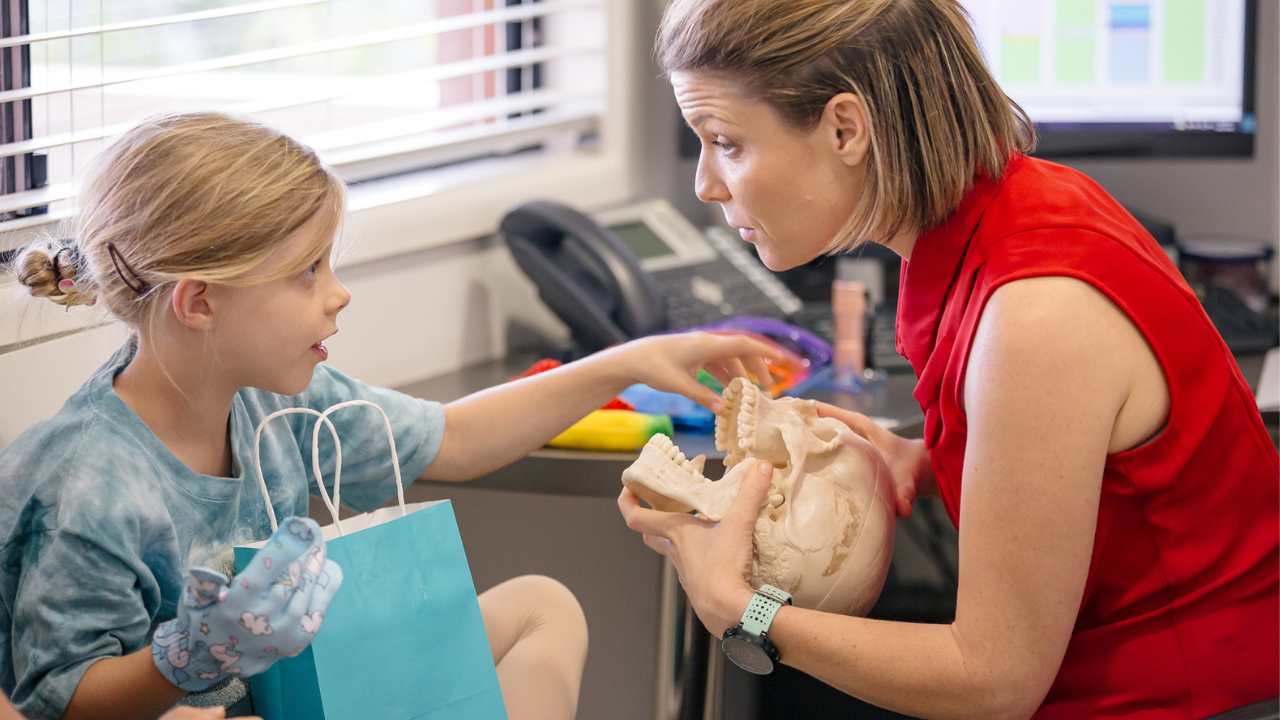
The TSP Method™ provides a structured approach for clinicians working with children who experience persistent sucking behaviours.
The framework integrates three key areas:
Oral Function
Understanding tongue posture, oral muscle balance, and functional development.
Behavioural Regulation
Recognising how sucking behaviours can function as self-soothing or regulatory behaviours.
Developmental Influences
Considering airway, sleep, growth, and environmental factors that may influence oral habits.
This integrated perspective helps clinicians better understand why these behaviours persist and how they can be managed effectively.
Clinical Impact of the TSP Method™
Clinicians trained in the TSP Method™ report greater confidence in identifying and managing persistent sucking behaviours by addressing the underlying drivers of the habit.
The framework supports clinicians to:
• identify oral functional patterns contributing to persistent sucking
• recognise behavioural reinforcement mechanisms maintaining the habit
• understand developmental and environmental influences
• implement structured treatment planning
• support families through habit cessation
This integrated approach aims to support successful cessation of persistent sucking behaviours while promoting healthy oral development.
See what our previous students say about the course....

Mary-Frances Gonzalez
SLP/Orofacial Myologist, Sound Mouths Virginia, USA
I really can't begin to express how grateful I am that our paths have crossed. The knowledge you have given and the ongoing support is tremendous.
Thank you is just not adequate.

Dr Bobby Griffin
Orthodontist, Cairns, Queensland
I'm looking forward to implementing this into my practice. You've done a great job with online training resources and you've developed an excellent program for helping these families."
Dr Elizabeth Pfohl
Specialist Pediatric Dentist Melbourne, VIC
Carla has a true gift for teaching, empowering, and engaging other professionals in Carla's skill set. I am so excited to be a part of this journey and implement this program in my practice!!

Jennie Tylee-Porter
OHT &Dental Practice Owner
Parkside Dental, Dubbo, NSW
"This course exceeded my expectations.
This training program arms you with the knowledge you will need to confidently start help your patients.
The online training program covers almost every situation you may face.
The program is set at a pace that is quite achievable while working full time.
I feel this investment into my clinical education was worth every cent as it's helping to change so many families' lives...."

I have just finished your course and I absolutely loved it! It was worth every cent
Jaimee Stakelum
Happy Faces Orofacial Myology
“Carla has a true gift for teaching, empowering, and engaging other professionals in Carla's skill set. I am so excited to be a part of this journey and implement this program in my practice!! "
Dr Elizabeth Pfohl
Specialist Pediatric Dentist

Thank you so much! The course is so informative! This is such a great service that you are providing!
Dr Katherine Bracy
Pediatric Dentist, Nanuet, NY

This course is amazing!!! The knowledge I have gained has made me confident to guide my thumb sucking patients with treatment options. I highly recommend this program.
Tania Haddon
OHT/Orofacial Myologist
Ballarat, Vic
How Long Does the Course Take To Complete?
Will There Be Advanced Levels of Training?
Do I Need Previous Experience in Myofunctional Therapy?
Who is this training for?
When will the training begin?
Will I receive Certification?
The Founder of the TSP Method™
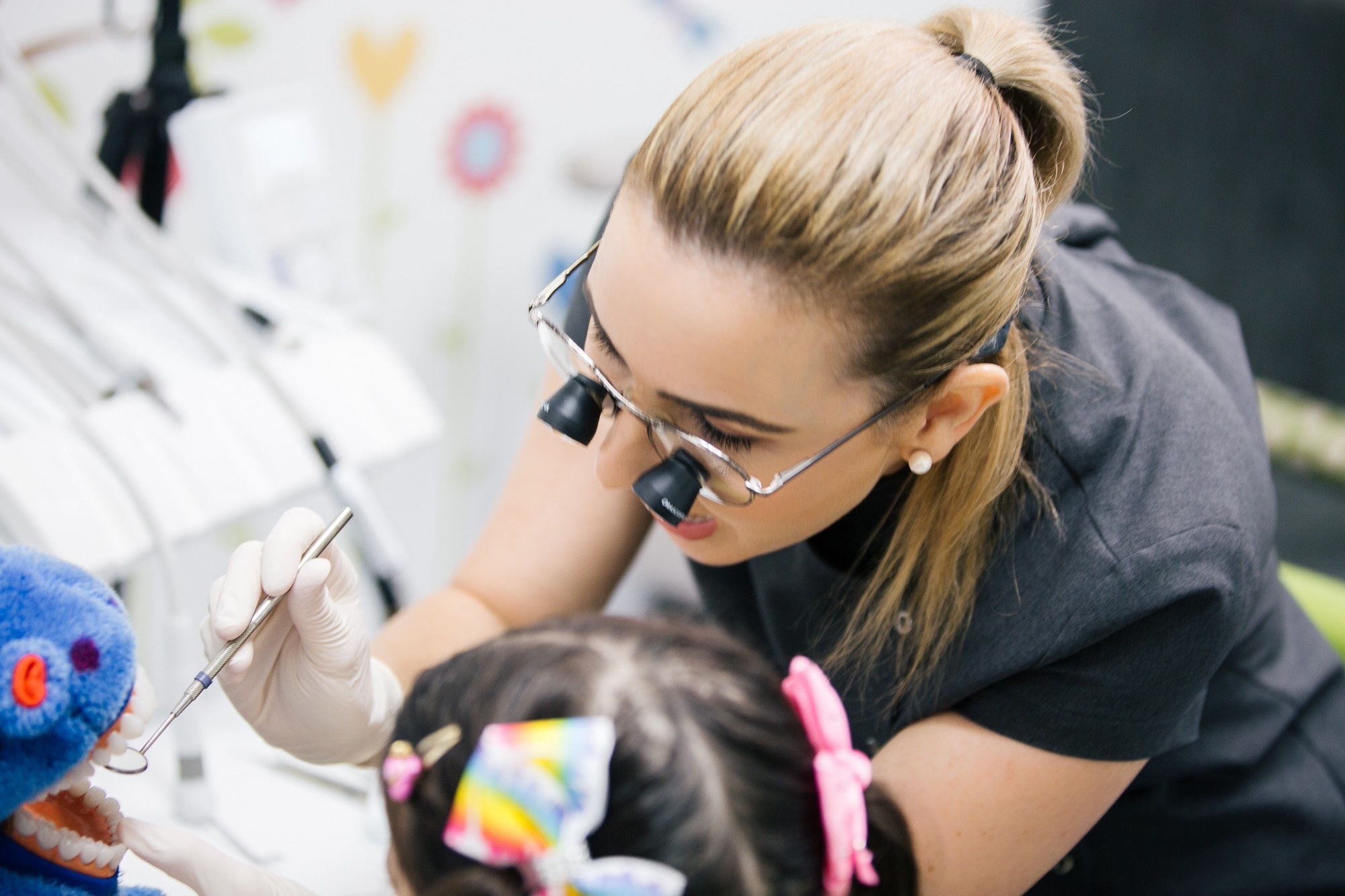
Carla Lejarraga is a clinician, educator, and researcher who has spent many years working with children experiencing persistent sucking behaviours and oral development challenges.
Her clinical work and research led to the development of the TSP Method™, an interdisciplinary framework integrating insights from dentistry, oral myofunctional therapy, behavioural science, and paediatric development.
Her goal is to support clinicians worldwide in understanding and managing persistent sucking behaviours more effectively.
What Happens After You Register Your Interest?
Clinicians who join the interest list will:
• receive early access to practitioner training details
• be invited to upcoming information webinars
• receive priority registration when the first practitioner cohort opens
Places in the initial training cohort will be limited to allow for discussion and clinical application.
Join the Practitioner Interest List
Be the first to receive practitioner training details and early registration access.
We respect your inbox and will only send relevant updates about practitioner training.
